
Ground improvement encompasses a range of techniques used to increase the load-bearing capacity of soils and reduce compressibility to support buildings, infrastructure, and industrial facilities. These methods are applied when existing ground conditions are not suitable for safely carrying imposed loads or meeting performance requirements.
Select a technique:
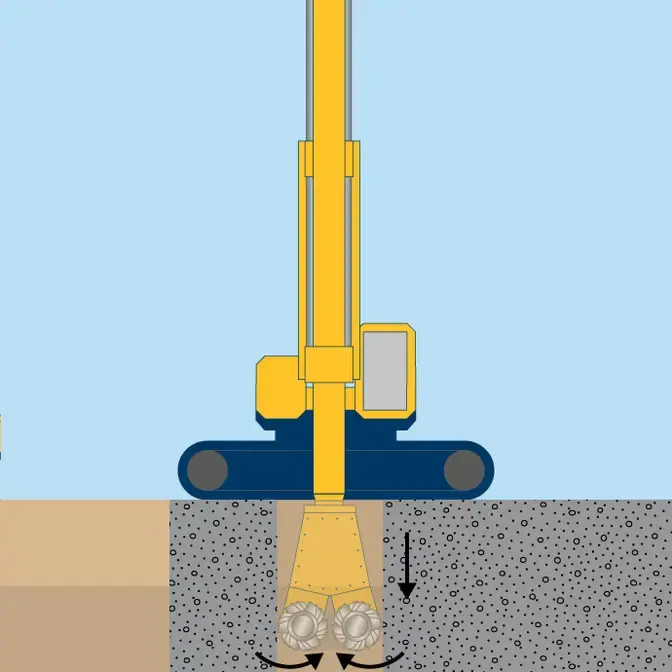
Cutter soil mixing (CSM)
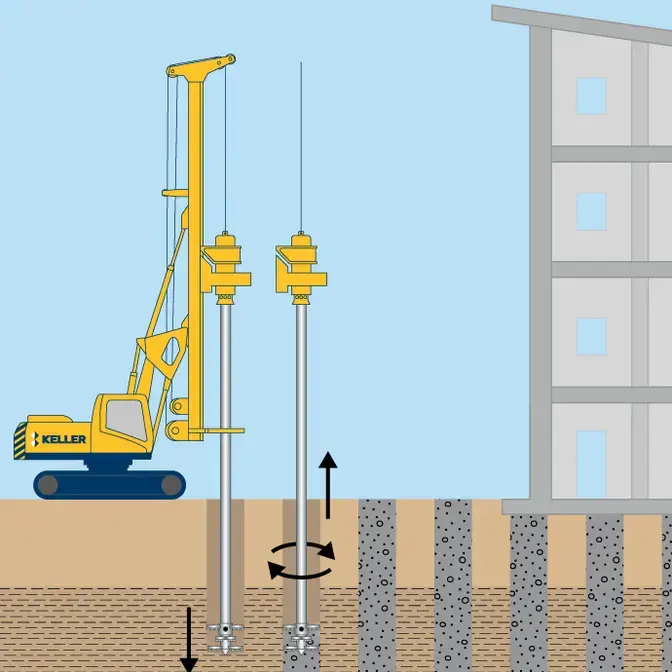
Dry soil mixing
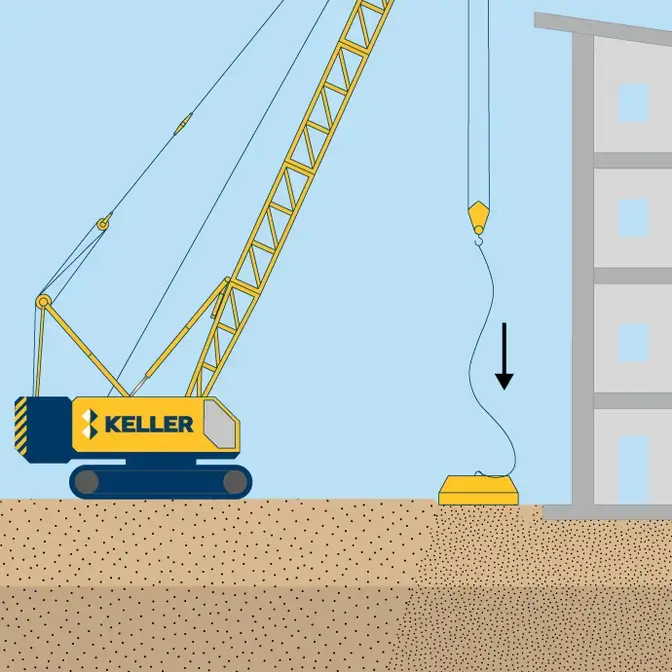
Dynamic compaction
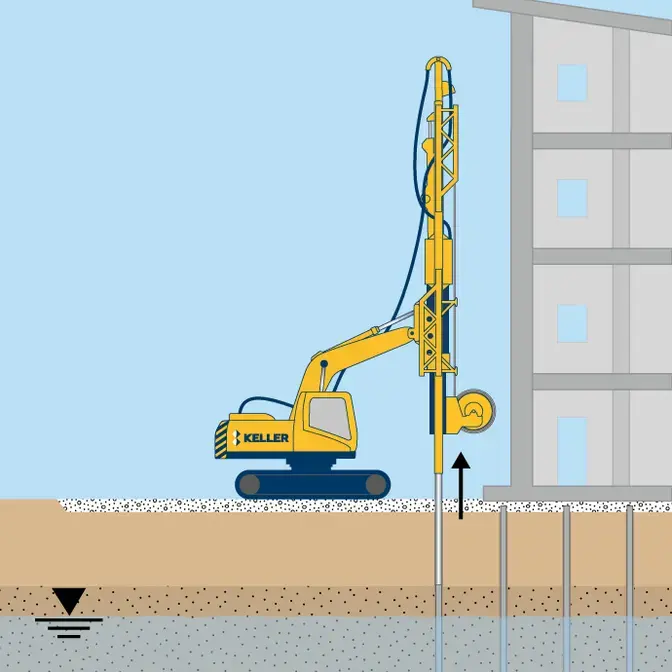
Earthquake drains
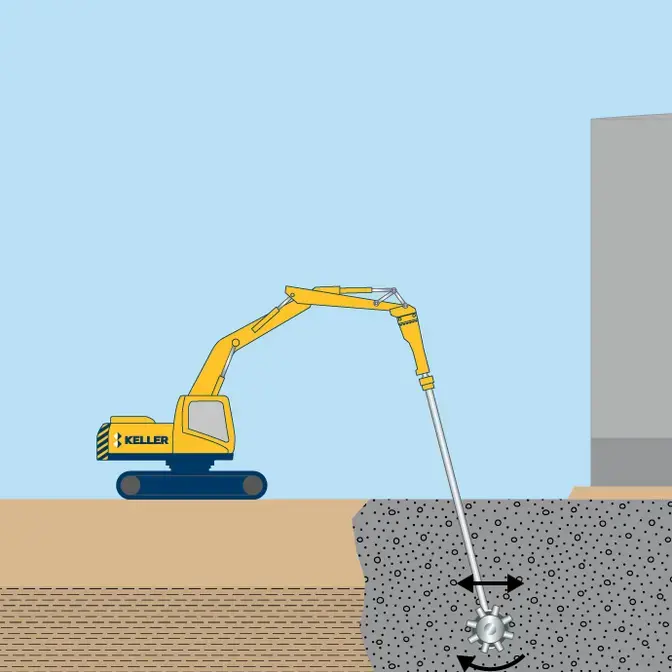
Mass soil mixing
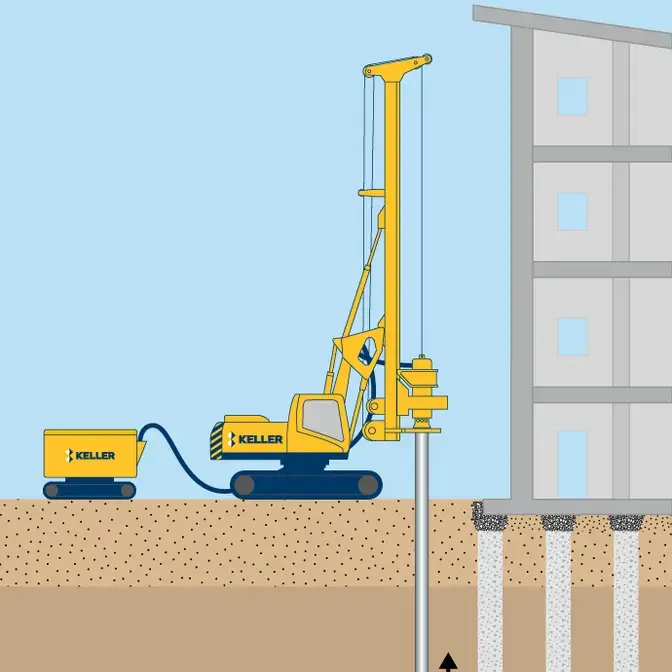
Mixed modulus columns CMM®
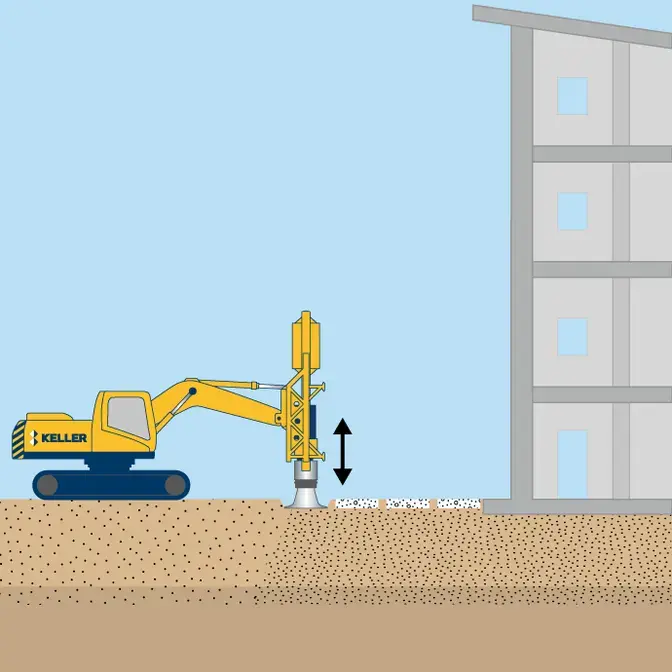
Rapid impact compaction (RIC)
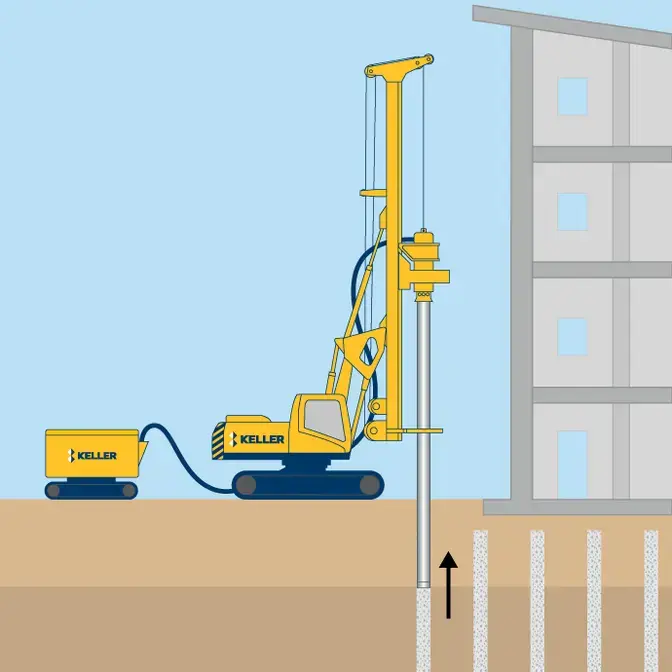
Rigid inclusions
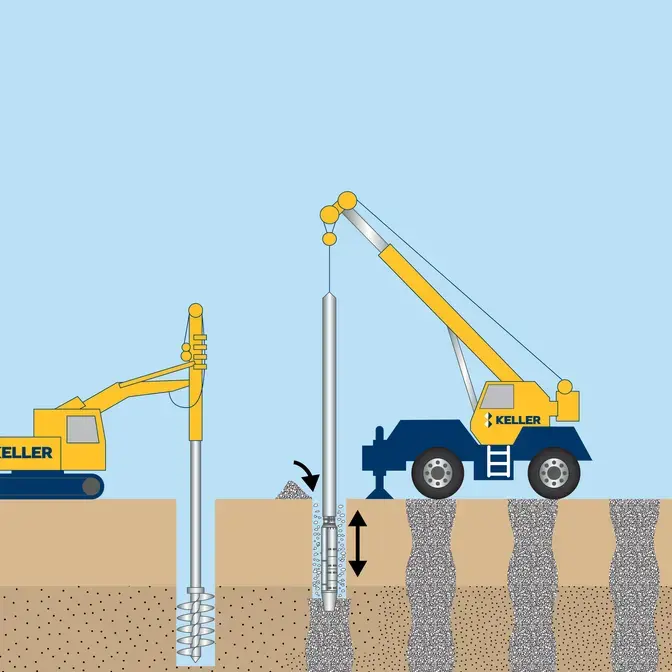
Vibro (aggregate) piers®
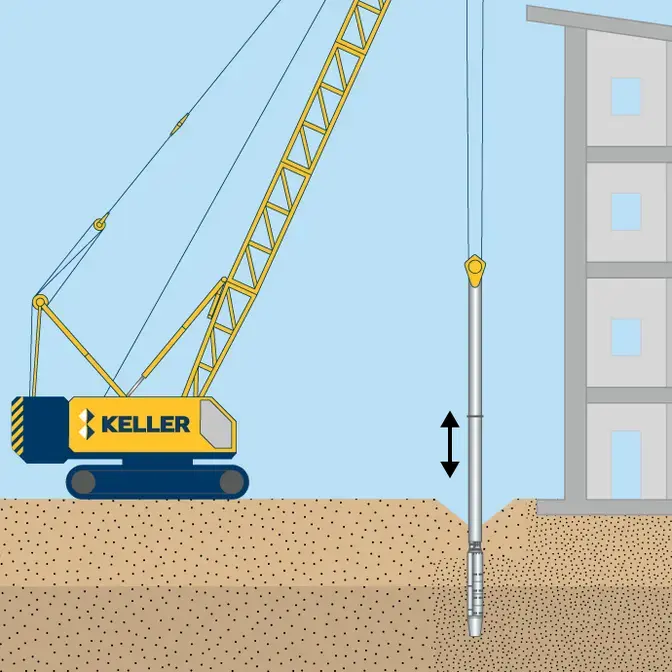
Vibro compaction
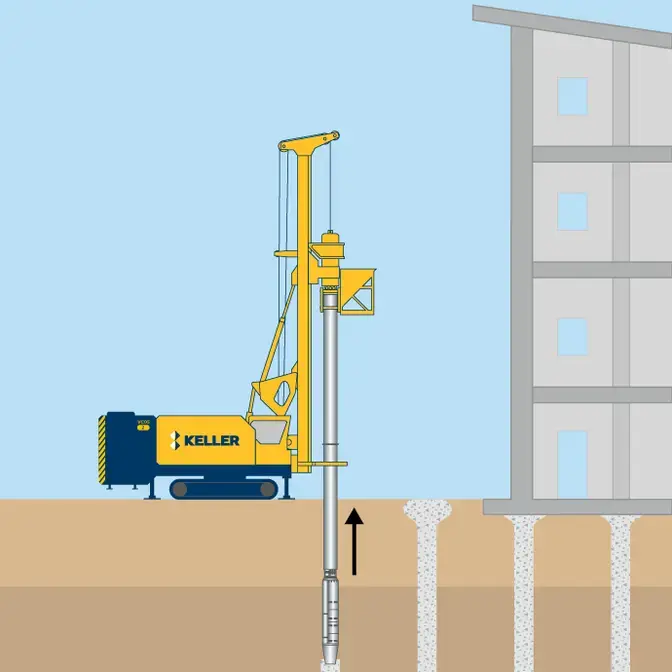
Vibro concrete columns
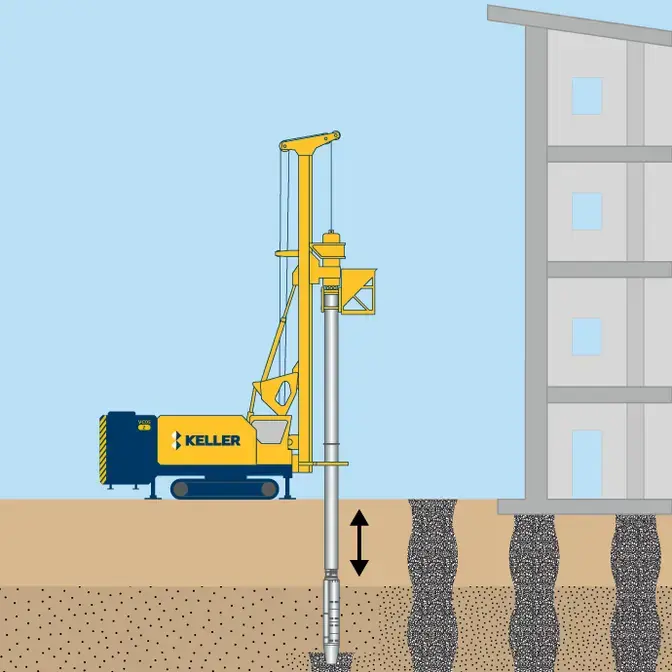
Vibro replacement (stone columns)
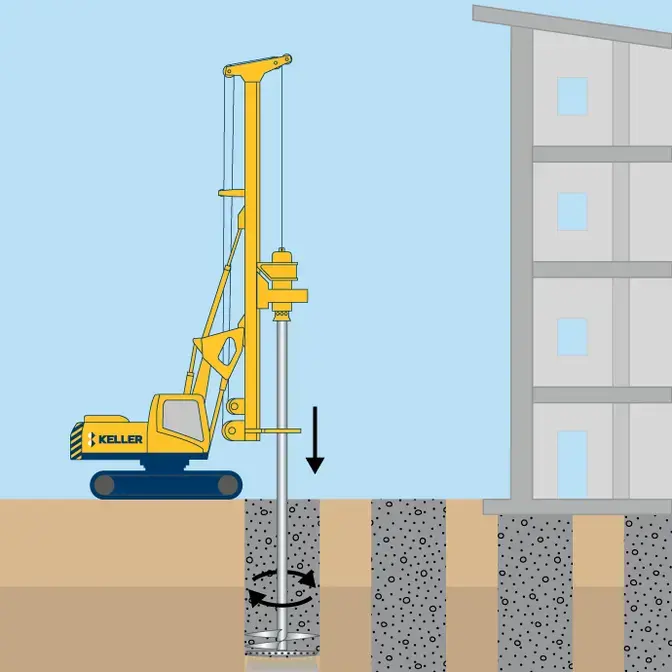
Wet soil mixing
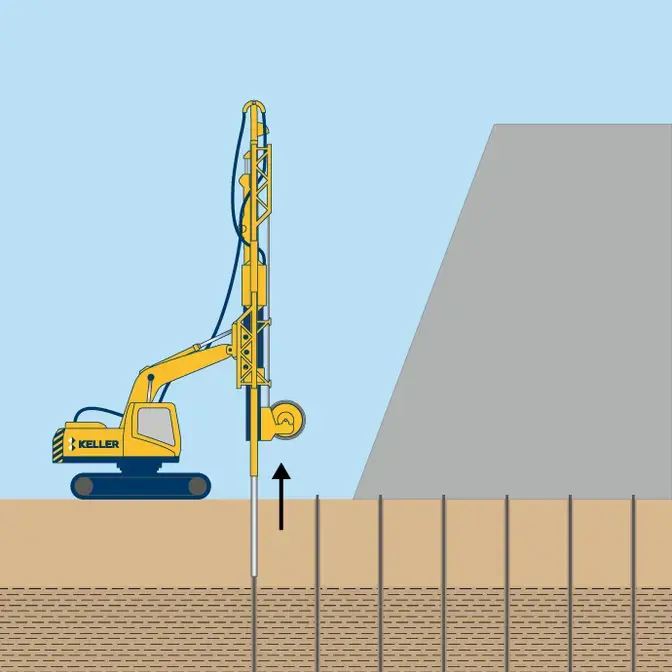
Wick drains (PVDs)
Keller’s experience in ground improvement
Keller has decades of experience delivering ground improvement solutions for projects across all soil conditions and construction environments. Many modern ground improvement techniques were developed or refined by Keller engineers, with a focus on improving bearing capacity, controlling settlement, and enhancing soil performance.
Ground improvement techniques can be combined with Keller’s broader geotechnical solutions, including deep foundations, grouting, earth retention, and groundwater control, to provide an integrated and cost‑effective approach under a single contract
Common uses
- Increase bearing capacity of existing soils
- Reduce total and differential settlement
- Improve soil response to seismic loading
- Enable construction on soft, loose, or compressible soils
- Support embankments, foundations, slabs, and infrastructure