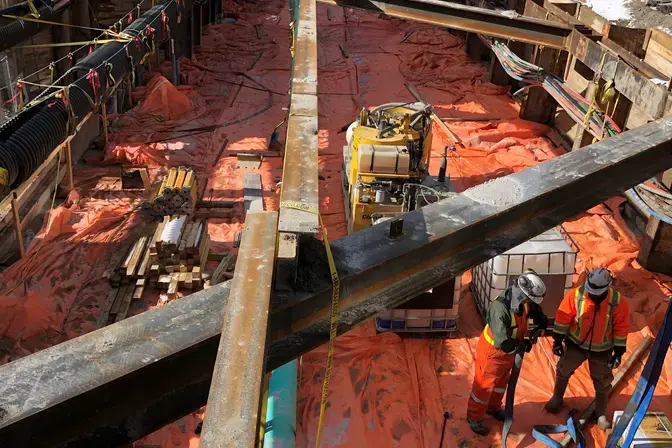
Underpinning strengthens existing foundations by transferring loads to deeper, more competent ground or by introducing new structural elements to improve stability, capacity, and long‑term performance.
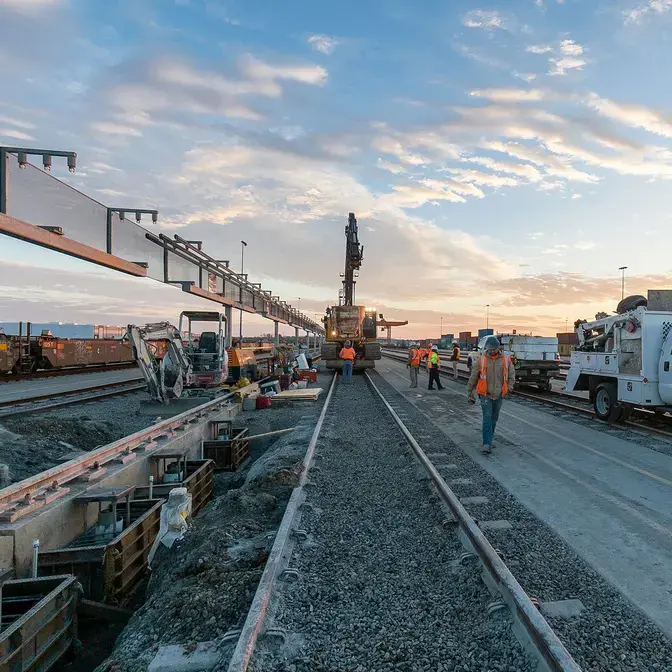
What is underpinning?
Underpinning involves improving or strengthening existing foundations to address settlement, increase load capacity, or accommodate changes in structural demand. These solutions extend foundation support to deeper, more competent soils or introduce new structural elements to share loads. Underpinning is commonly used for existing structures whose foundations no longer meet design or serviceability requirements.
When is underpinning used?
Underpinning may be required when:
- Existing foundations experience settlement or distress
- Additional loads are introduced through building modifications or reuse
- Original foundations were not designed for current conditions
- Adjacent excavation or construction affects foundation stability
- Changes in soil or groundwater conditions reduce bearing capacity
Underpinning is often considered alongside releveling or ground improvement solutions. Releveling restores structural alignment, while underpinning improves long‑term foundation capacity and stability. In many cases, combining these approaches addresses both immediate settlement effects and underlying soil or foundation deficiencies.
Underpinning methods and approaches
Underpinning methods are selected based on existing foundation type, subsurface conditions, access constraints, and project requirements. Solutions may involve extending foundations deeper, installing new structural elements, or transferring loads through alternative load paths. Foundation underpinning techniques bypass the problem soils by installing structural elements to transfer the building’s load to underlying competent soils or bedrock.
Underpinning systems are often installed in restricted environments and may be phased to limit disruption to occupied or operational structures. They can also be designed so that the completed solution is below-grade and the structure's aesthetics are not compromised.
Why choose Keller for underpinning?
Keller combines geotechnical and structural understanding with extensive experience in underpinning existing structures. With multiple underpinning methods available and design-build capability, we develop solutions tailored to access constraints, sequencing needs, and performance objectives while limiting disruption to occupied or operational facilities.
Common uses
- Stabilize structures affected by settlement
- Increase foundation load capacity
- Support renovation, expansion, or change of use
- Protect foundations adjacent to deep excavations
- Stabilize sinkhole conditions

Related projects
Residential
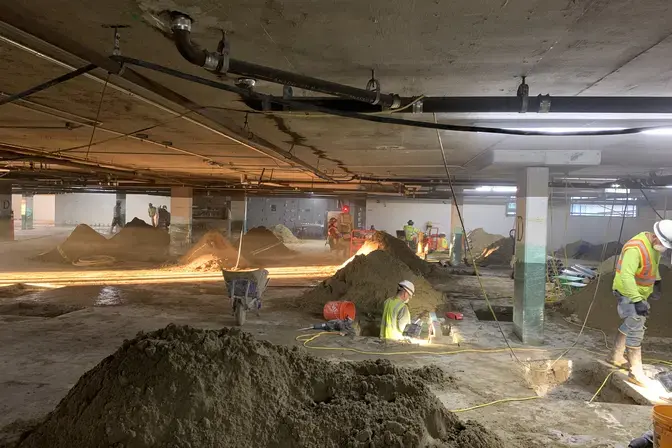
South Shore Apartments
Keller provides an alternative jacked-in pile solution for seismic upgrades on a California apartment complex.
Commercial
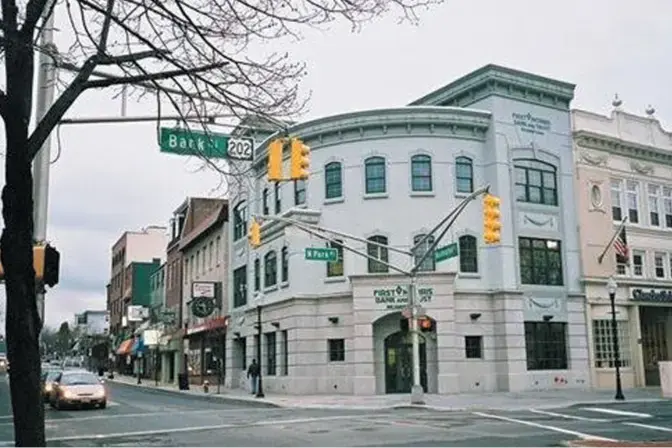
First Morris Bank
When soil conditions were not amenable to conventional underpinning techniques, Keller’s design-build jet grouting solution provided both underpinning and excavation support in one operation.
Residential
348 East South Temple
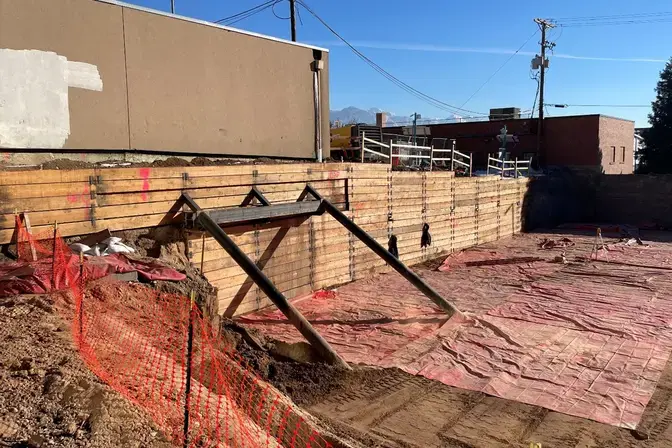
Keller designs and constructs the underpinning and support of the excavation (SOE) system for a new downtown Salt Lake City apartment complex.
Institutional
Zoo Atlanta - Grand New View
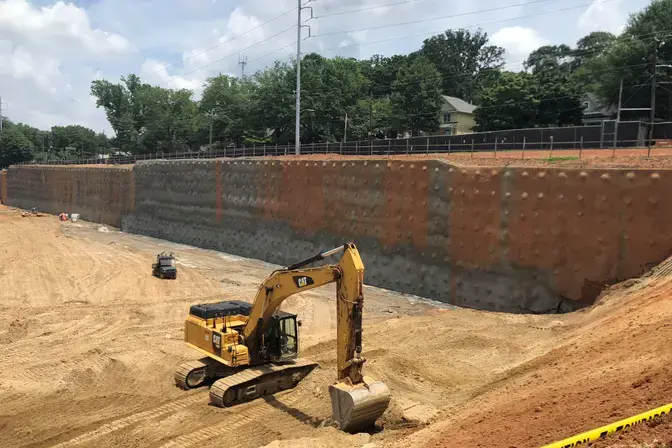
Zoo Atlanta first opened in 1889 and has undergone several renovations. Keller provided support of excavation as part of the zoo’s newest renovation, the “Grand New View”.
Infrastructure
Chaplin Station
When unexpected movement and ground disturbance occurred following drilled shaft installation, Keller performed preventative grouting to keep the project on track.