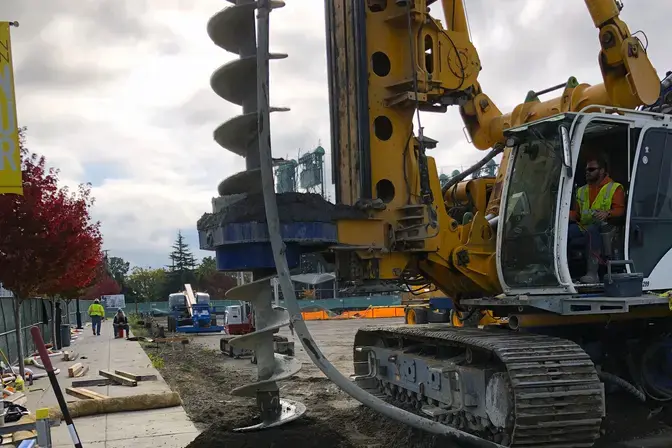
Liquefaction is a common challenge in earthquake-prone areas where soils lose strength due to the ground motion and behave like a viscous liquid, damaging overlying structures.
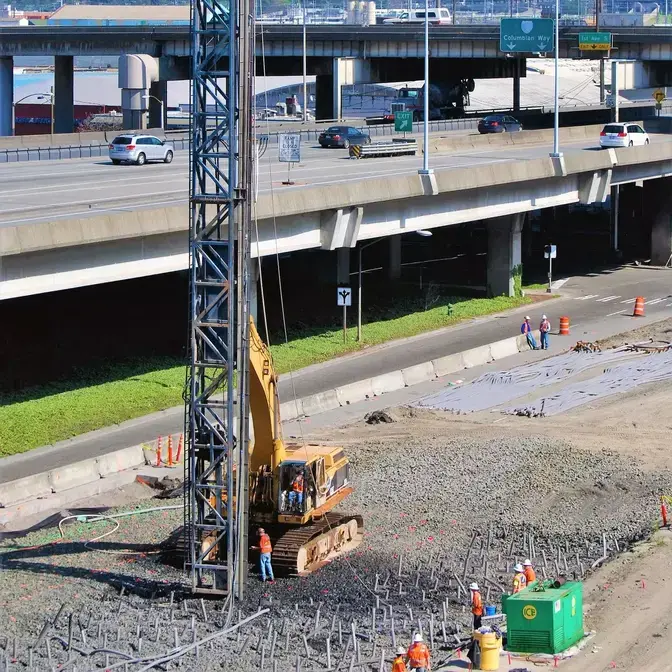
What is liquefaction mitigation?
Liquefaction mitigation includes a range of ground improvement techniques used to reduce the potential for liquefaction during seismic events. Liquefaction occurs when saturated, loose soils temporarily lose strength under earthquake loading, potentially causing settlement, lateral spreading, and structural damage.
When is liquefaction mitigation required?
Liquefaction mitigation may be required when:
- Seismic hazard analyses identify liquefaction risk
- Loose, saturated soils are present below the groundwater table
- Critical structures or infrastructure must remain operational after seismic events
- Settlement or lateral movement could damage adjacent structures
- Regulatory or resilience requirements mandate mitigation measures
Liquefaction mitigation frequently incorporates ground improvement techniques; however, it is distinguished by its focus on seismic performance. While ground improvement addresses static loading conditions, liquefaction mitigation targets soil behavior under earthquake‑induced cyclic loading, often emphasizing densification or drainage to control excess pore-water pressures.
Liquefaction mitigation process and approaches
Liquefaction mitigation solutions are designed to improve soil density, strength, and drainage characteristics to enhance ground performance during seismic loading and protect structures and infrastructure. When seismic forces act on saturated, loose granular layers, the soil structure contracts, generating excess pore water pressure and reducing soil strength. This can cause the soil to behave like a viscous liquid.
For shallow foundations, liquefaction can result in loss of bearing capacity, excessive settlement, lateral spreading, and flow failures.
In deep foundations, liquefaction may reduce lateral capacity, induce additional down-drag forces, and increase demands on piles due to lateral spreading or flow failure of surrounding soils.
The presence of liquefiable soil does not mean the building site has to be abandoned or that deep foundations are required. In situ remediation of loose, cohesionless soils is common in geotechnical engineering. Earthquake drains can provide adequate soil liquefaction mitigation by dissipating excess pore-water pressure during seismic events before it reaches critical levels.
Why choose Keller for liquefaction mitigation?
Keller brings extensive ground improvement experience and active involvement in earthquake engineering to support performance‑based liquefaction mitigation. Working closely with owners and geotechnical engineers, we help evaluate site conditions and select mitigation strategies that meet seismic performance objectives while remaining practical to construct.
Common uses
- Reduce seismic‑induced settlement and lateral spreading
- Improve stability of foundations and earth structures
- Prevent liquefaction-induced bearing capacity failure
- Protect existing structures in seismically active regions
Related projects
Education
Encinal High School Stadium Renovations
Keller collaborated with the geotechnical engineer to design a ground improvement solution that addressed seismicity concerns, as required by the California Geological Survey (CGS).
Industrial and manufacturing
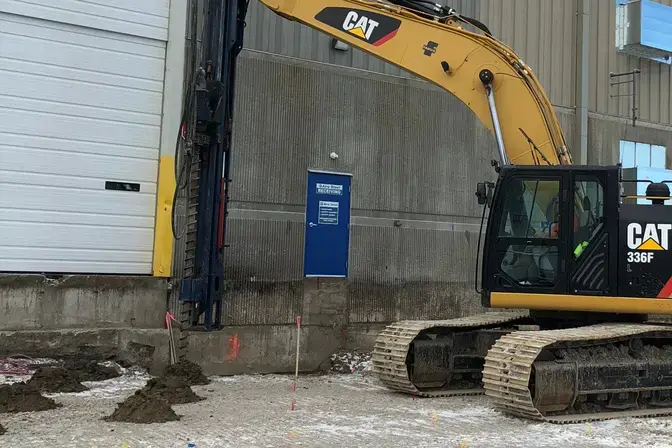
Alro Steel Expansion
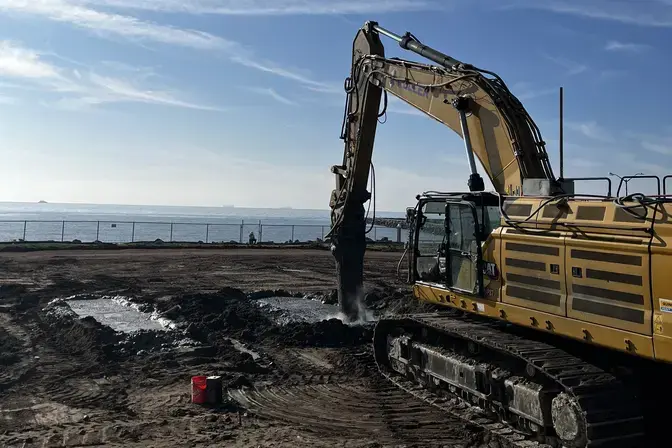
The 120-mile-long New Madrid Seismic fault line is one of the most prominent and historic seismic zones east of the Rocky Mountains. The probability of soil liquefaction and consequent above-ground structural damage and/or settlement during a seismic event often requires ground improvement for buildings supported on shallow foundations.
Institutional
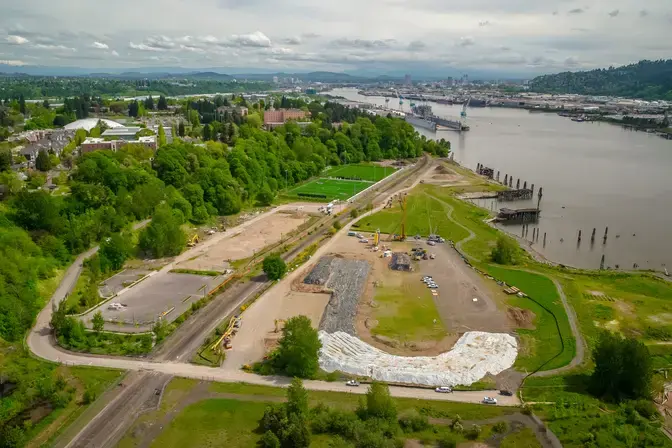
University of Portland, Franz River Campus
Keller provided a ground improvement solution to mitigate lateral spreading and foundation support for new structures on the 35-acre Franz River campus.
Infrastructure
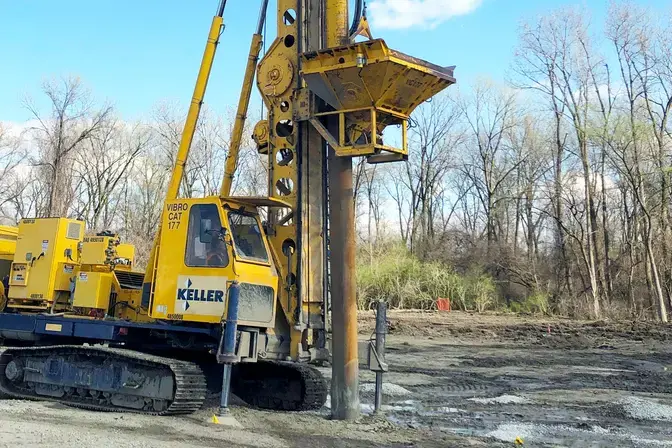
East St. Louis Water Treatment Plant
The U.S. Environmental Protection Agency’s Long Term 2 Enhanced Surface Water Treatment Rule targets chlorine-resistant pathogens and microorganisms that feed water treatment plants in surface water sources. Illinois American Water (IAW) installed an ultraviolet (UV) disinfection system at its East St Louis water treatment plant to comply with EPA requirements.
Commercial
Port of Vancouver, Block D
The Port of Vancouver was established in 1912. A new development of Terminal 1 is underway to transform the Port into a waterfront destination with new retail, commercial, and residential elements adjacent to the Columbia River.