Jacked piles, also known as jacked piers, push piers, or resistance piers, are small-diameter steel pipes installed with hydraulic jacks to underpin existing structures. The jacks use the structure as the reaction load to advance each pile to bearing depth, helping transfer loads to deeper, more competent soil or rock.
Process
Using the existing structure as the reaction load, a hydraulic ram pushes 3- to 5-ft sections of steel casing into the ground. This method load-tests each pile during installation by monitoring the pressure and resistance required to advance the casing. That installation resistance directly correlates to pile capacity. After reaching bearing depth, the tops of the pipes are bracketed to the structure’s footing, sometimes filled with grout and rebar, and locked off to a specified percentage of the design load.
Common uses
- Underpin existing foundations affected by settlement or increased loading
- Increase the load-carrying capacity of existing foundation elements
Advantages
- Suitable for low-headroom environments, including spaces with less than 5 feet of clearance and tight access
- Installed with small, easily handled sections approximately 3 inches in diameter, with typical capacities of 15 to 30 kips (65 to 130 kN)
- Each pier is load-tested during installation
- Installed with a smooth, controlled hydraulic stroke; no hammering or vibration
- Generates no drill spoils requiring handling or disposal
Quality assurance
Keller’s jacked pile installation and design experience enables custom connections to existing structures, including grade beams, pile caps, and structural slabs. This helps align the underpinning solution with site-specific access, loading, and structural requirements.
Related solutions
Related projects
Residential
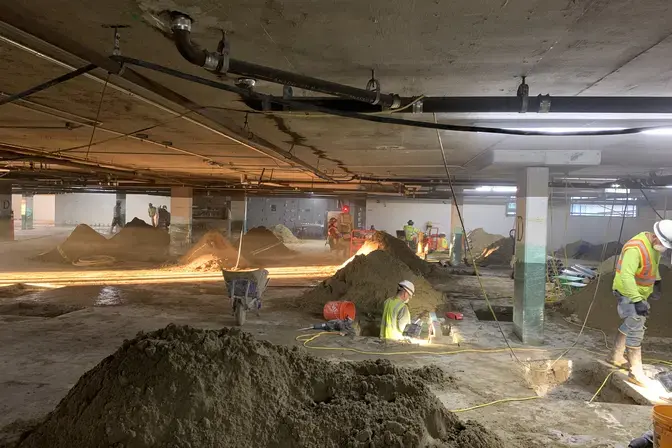
South Shore Apartments
Keller provides an alternative jacked-in pile solution for seismic upgrades on a California apartment complex.
Institutional
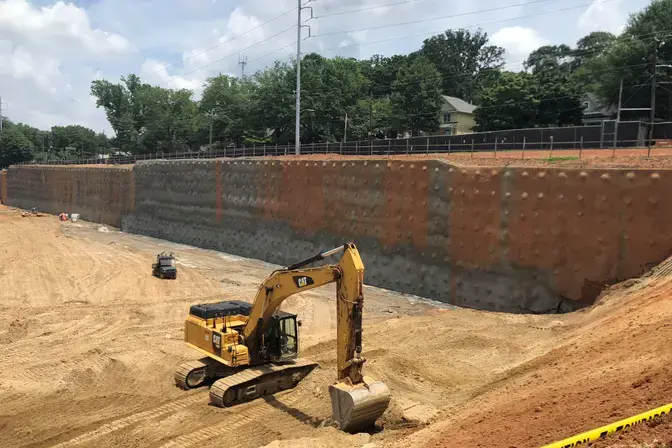
Zoo Atlanta - Grand New View
Zoo Atlanta first opened in 1889 and has undergone several renovations. Keller provided support of excavation as part of the zoo’s newest renovation, the “Grand New View”.
Institutional
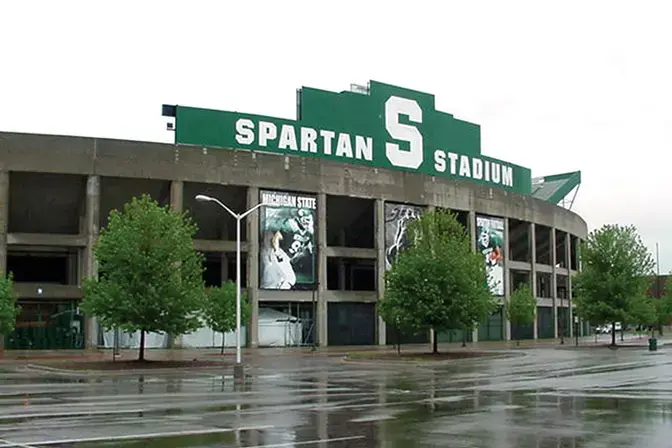
Michigan State University Spartan Stadium Expansion
Expansion and renovation of the historic Michigan State Spartan football stadium required foundation underpinning. Limited information about the existing foundation complicated the design of the solution.